
 WhatsApp: +8615306204105
 Email: 516947921@qq.com
JELIO ENGINEERING INSIGHTS
PCB Depaneling Barcode Traceability: An Integration Brief
PCB depaneling barcode traceability depends on what a code identifies, where it is read and what happens to identity when one panel becomes several boards. A carrier label may help check a program without identifying any finished product. A panel serial may identify the incoming assembly while leaving the separated boards dependent on a position map. This integration brief helps automation and quality engineers define those relationships before selecting scanner hardware. It uses the JELIO dual-station router catalog and distinguishes its optional scanner from the additional carrier and program functions described on the inline router page.
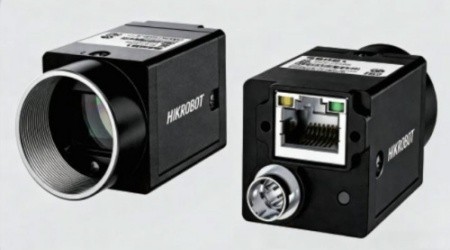
How do you preserve board identity through PCB depaneling?
Define panel, individual-board and carrier identifiers separately. Map each finished board to its incoming panel and position, then identify the read points before cutting and after transfer. Agree what happens to unread, duplicated, removed or reworked items, and test those paths with the actual fixture and handling sequence.
Decide what the barcode identifies
Start with an identity register rather than a scanner model. List the physical incoming panel, each finished board, the reusable carrier, the cutting program and the work order. For every item, identify who creates its identifier and where that identifier is stored or marked. A carrier can return to production with a different panel, so a carrier code should not silently become the serial number of every board it holds. Likewise, one program can process many individual items.
The JLO-C3532 and JLO-C5045 dual-station router listing states MES CSV text format as standard with an optional barcode scanner. Use the purchase discussion to specify the required read task and its relationship to the factory record. If the task is to verify a carrier against a selected recipe, write that explicitly. If the task is to track each finished product, define the additional panel-to-board relationship and the point at which it is recorded.
| Identity | What it describes | Relationship to agree |
|---|---|---|
| Panel identifier | One physical incoming assembly | Parent of the finished boards from that panel |
| Board identifier | One separated product | Linked to parent panel and panel position |
| Carrier identifier | Reusable fixture or transport item | Associated with a panel for a defined interval |
| Program identifier and revision | Released cutting recipe | Associated with the operation actually run |
| Work order | Production authorization or batch context | Linked by the factory system without replacing product identity |
Draw the panel-to-board relationship before separation
Mark the panel drawing with a stable position for every intended child board. State which face is the reference face and how the incoming orientation is recognized. If the child boards carry their own identifiers, describe when each code can be read and how it is associated with the parent panel. If they do not, ask how the project will retain identity through a controlled position or carrier map. Agree that method with quality and downstream assembly before the panel rails are discarded.
A proposed mapping record can contain the parent identifier, panel revision, child identifier or controlled position, orientation and final disposition. These are requirements to review, not a claim about existing JELIO export fields. Specify how unpopulated positions, intentionally skipped boards and scrapped pieces are represented. Do not renumber surviving boards after one position is rejected; the physical drawing position should remain interpretable during a later investigation.
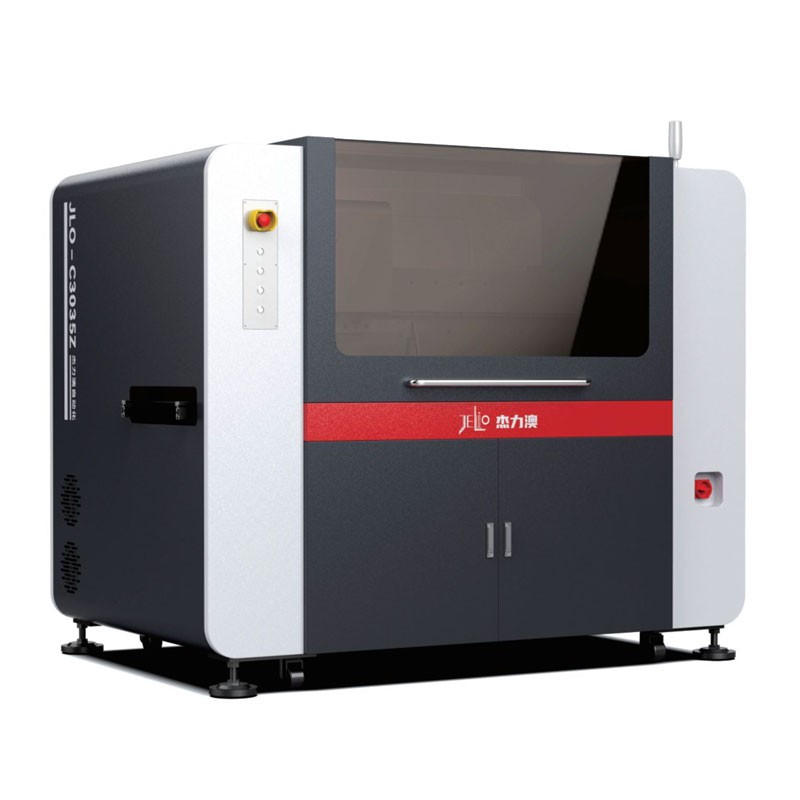
Choose read points using the populated assembly and fixture
Draw each proposed read point on the actual process sequence. Before cutting, a panel label may be visible on a rail that will later be removed. After cutting, a gripper, vacuum cup or tray wall may cover a board code. Provide label location, orientation, expected code type and representative samples to the supplier. Ask for a trial using the real populated panel and fixture so that the view is reviewed with connectors, clamps, lighting and nearby reflective surfaces present.
Keep positioning and identification separate in the review. The router catalog describes camera mark recognition for cutting-path compensation; that does not make a fiducial mark a unique product serial. If a vision system performs several tasks in the selected configuration, list and demonstrate each task separately. Review access to the proposed reader after routine fixture changeover, cleaning and maintenance as well as during the initial trial. A reachable label during setup can become hidden during automatic handling.
Separate program selection from product genealogy
The JLO-C3532Z inline router page describes QR code reading for automatic program calling and a fixture anti-mistake function that checks carrier barcode information against the program. Those features provide a specific starting point for the inline configuration review. Preserve their purpose in the requirements document. Program matching asks whether the carrier and recipe belong together. Genealogy asks which physical products were processed, where they came from and where they went.
The Hermes use-case document distinguishes product type, barcode and work order in program lookup. That distinction is useful even when the project uses a different interface. Write a lookup table that names the authoritative source of the program revision and the rule for a mismatch. Confirm the supported mechanism with the supplier. The worksheet should also identify who approves a revised mapping when a new product revision reaches the line.
Test unread codes, duplicates and removed boards
Make a physical exception test set with readable codes, an unreadable code, a duplicate identity and a code belonging to a different product revision. For each case, write the intended equipment state and operator action before running the trial. Decide whether the item waits, is rejected or enters a controlled manual-resolution step. Record the observed behavior and the final disposition. A successful read rate alone cannot show whether an incorrect but readable identifier is handled safely.
Include a panel removed after identification but before cutting, and a separated board returned for rework. The first scenario challenges the association between identity and physical position. The second challenges the difference between a new operation and a repeated transfer of an old record. Preserve the original event history and add a new disposition where the agreed system supports it. Never resolve an identity exception by quietly assigning the next available serial to an uncertain physical item.
| Scenario | Review question | Evidence to capture |
|---|---|---|
| Code cannot be read | Who may resolve identity before processing continues? | Reader result, operator action and item disposition |
| Readable but wrong revision | How is the program mismatch handled? | Input identity, selected revision and response |
| Duplicate panel identifier | How is a repeated item distinguished from replay? | Physical item evidence and event history |
| Panel removed and returned | How is the original association restored? | Removal point, return identity and approval |
| One child board scrapped | Does the position map keep its original meaning? | Panel position, child disposition and downstream record |
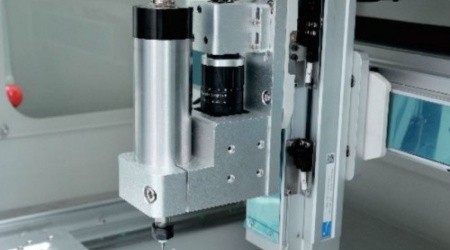
Reconcile identity at the output, then release the integration brief
Follow representative boards from the incoming panel to their output locations. Reconcile the child identities and positions with the actual tray or downstream carrier. If the output arrangement can change, define how the mapping follows that change. Separate the record that cutting completed from the record that transfer completed. A tray pocket is a temporary location unless the agreed system explicitly binds that location to a product and records when the binding ends.
For the data exchange, use the companion MES CSV interface checklist. It defines the questions to settle about record keys, file completion and replay, while this brief defines the physical relationships those fields represent. Cencorp describes MES integration and output-system flexibility together in its portfolio. That is useful context for reviewing both boundaries, with no assumption that one supplier's interface applies to another.
Give the equipment supplier a concrete read-task package
Send the revision-controlled panel and assembly drawings, the identity register, sample labels or marked boards, the panel-position map and the proposed handling sequence. Include the factory rules for unread, duplicated and reworked items. Name the expected source of every identifier, and identify who owns the program lookup and the MES import. Ask the quotation to identify reader hardware, mounting, software options and acceptance tasks as separate scope items so the configuration can be compared fairly.
Use JELIO technical support to coordinate the board application review and customization discussion for integration requirements. Retain the accepted read locations, label samples, program mapping and test records with their revisions. A later label relocation, fixture redesign or change in board orientation should prompt a focused recheck. This gives maintenance and quality teams a practical reference when a readable barcode no longer produces the expected association.
Two barcode tasks with different acceptance evidence
Review whether the selected recipe matches the reusable fixture.
Review which physical outputs belong to the incoming panel.
Review the binding at transfer and its later release.
Carrier verification and board traceability compared
| Question | Carrier/program verification | Product traceability |
|---|---|---|
| Primary identity | Reusable carrier or fixture | Physical panel and finished board |
| Main decision | Does this carrier match the recipe? | Which operation and parent belong to this board? |
| Key relationship | Carrier to program revision | Parent panel to child identity or position |
| Exception to test | Wrong carrier or program revision | Unread, duplicated, removed or reworked item |
| Output evidence | Observed mismatch handling | Reconciled identity and final disposition |
Published specifications for the application review
JLO-C3532/JLO-C5045: source catalog values for this product family.
| Parameter | Published value |
|---|---|
| Model | JLO-C3532/JLO-C5045 |
| Number of Workstations | Dual Station |
| Max. PCB Depaneling Size | 350mm(X)*320mm(Y)(Single Station)/500mm(X)*450mm(Y)(Single Station) |
| PCBA Component Height | Upper:15mm Lower:45mm |
| Mark Compensation | Camera recognition & positioning, automatic compensation |
| Camera Pixel | 1.3 MP |
| MES Connection | MES CSV text format (standard), barcode scanner (optional) |
Identity definition to a reviewable traceability trial
- 01
Register
Separate panel, child, carrier and program identities.
- 02
Map
Identify panel positions and output relationships.
- 03
Locate
Review read points on actual assemblies and fixtures.
- 04
Challenge
Test wrong, unread, duplicate and returned items.
- 05
Reconcile
Check physical outputs against the recorded relationships.
Frequently asked questions
Is the barcode scanner standard on the dual-station router?
The JLO-C3532/JLO-C5045 specification lists the barcode scanner as optional, alongside standard MES CSV text format. Define the required read task in the quotation.
Does a fixture barcode identify each finished board?
A fixture identifies a reusable carrier. Finished-board traceability needs a separate product identity or an agreed panel-position relationship that survives separation and transfer.
Can the positioning camera replace the barcode reader?
The published camera function is mark recognition and positioning compensation. Review the actual identification task and selected hardware with the supplier rather than equating the two functions.
What if the panel barcode is on the discarded rail?
Define the child-board or controlled position mapping before cutting, and demonstrate how that relationship is retained after the rail leaves the process.
What should be included in a barcode integration trial?
Use the actual label location, populated panel, fixture and output handling. Include unread and wrong identities, duplicate delivery, removed panels and reworked boards with agreed dispositions.
Related equipment and guides
Request a barcode integration review
Send your identity register, panel-position map, sample codes and handling sequence to discuss the required scanner and software scope.
Request a barcode integration review →


